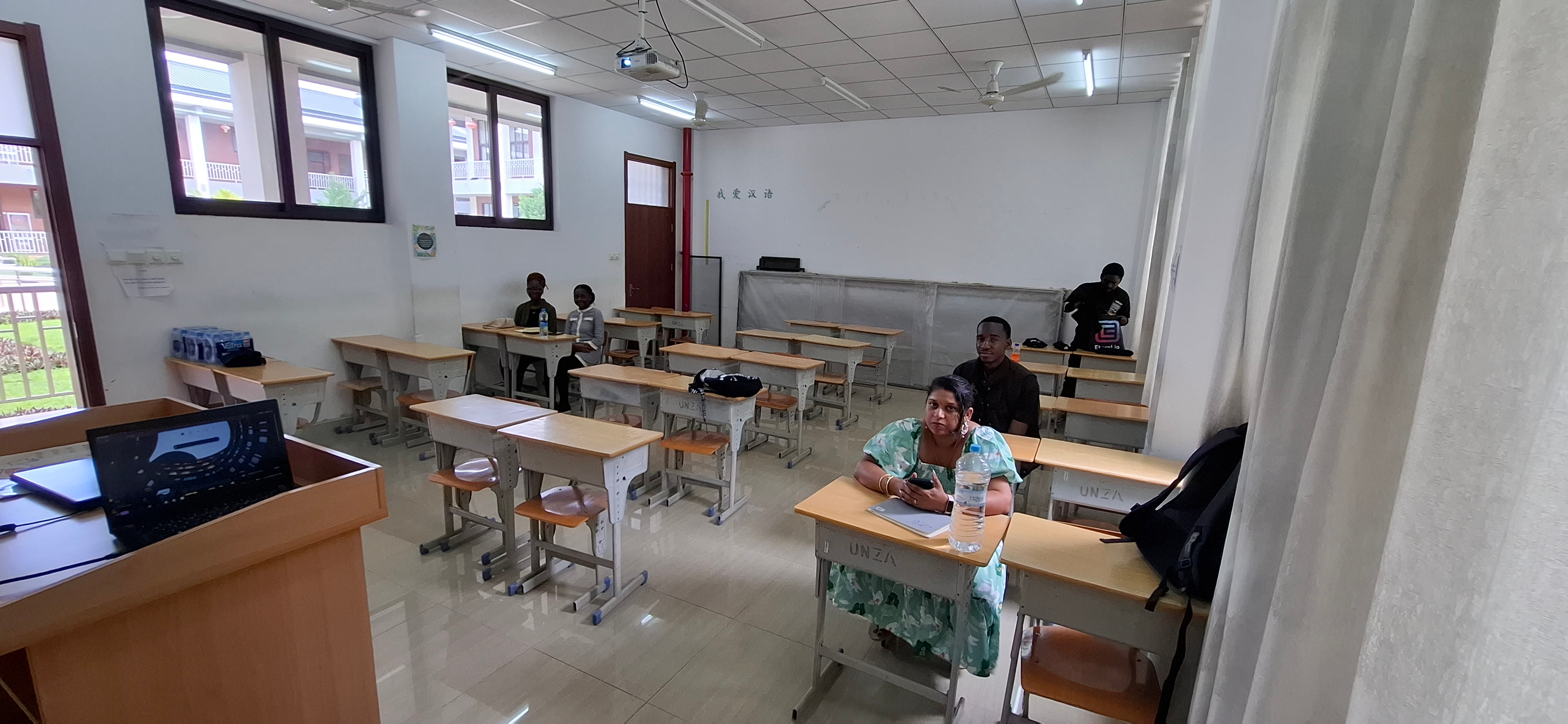
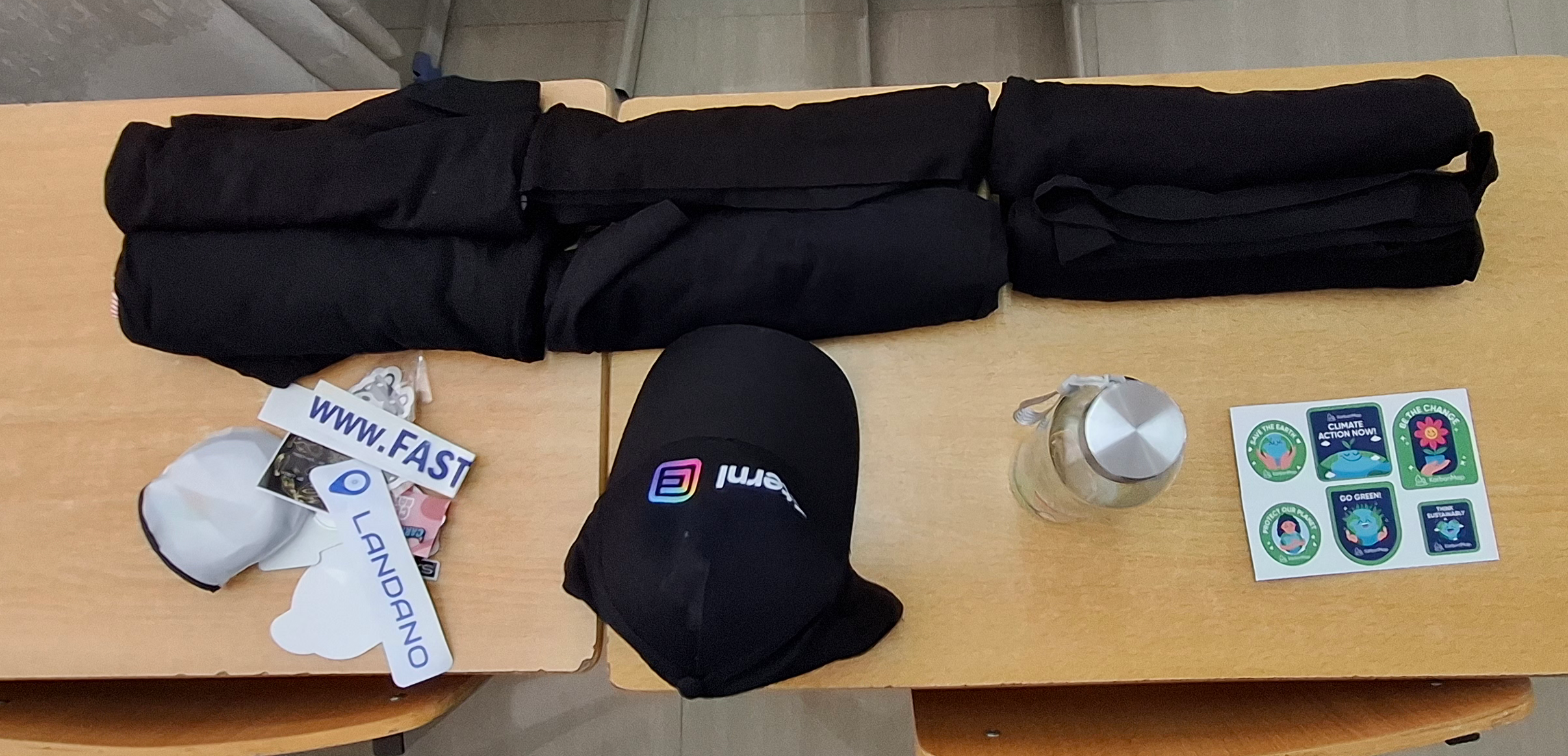
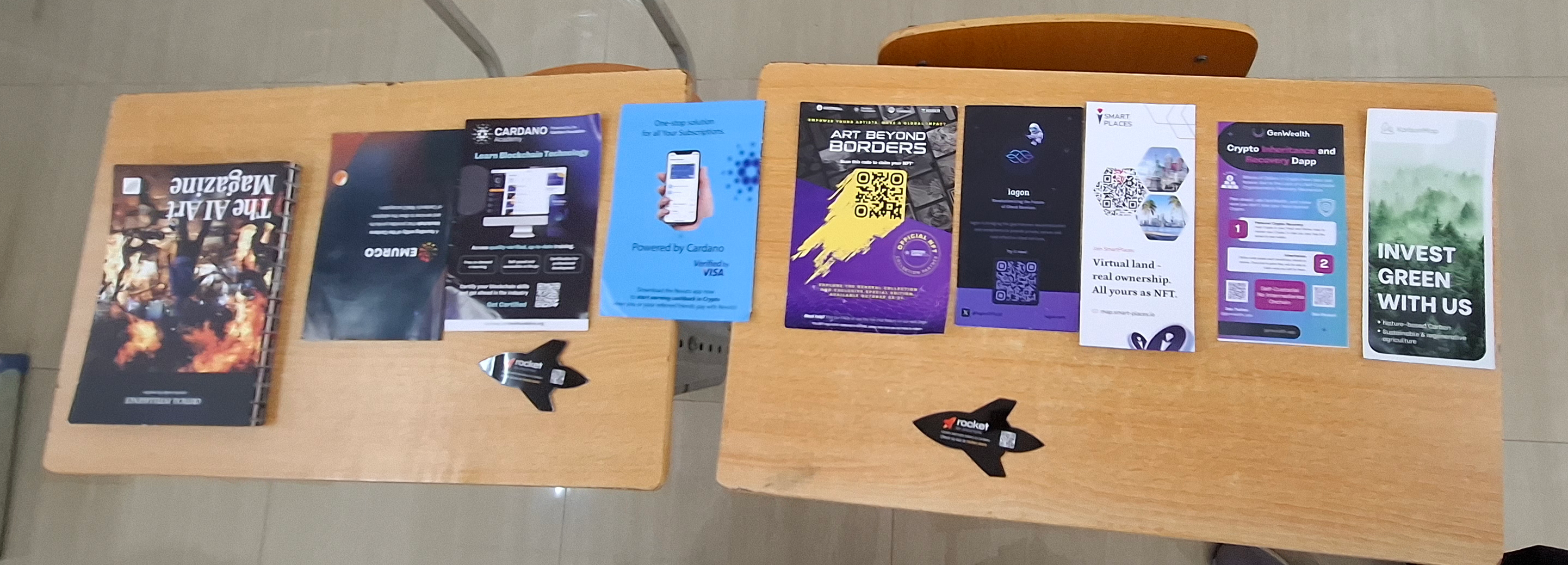
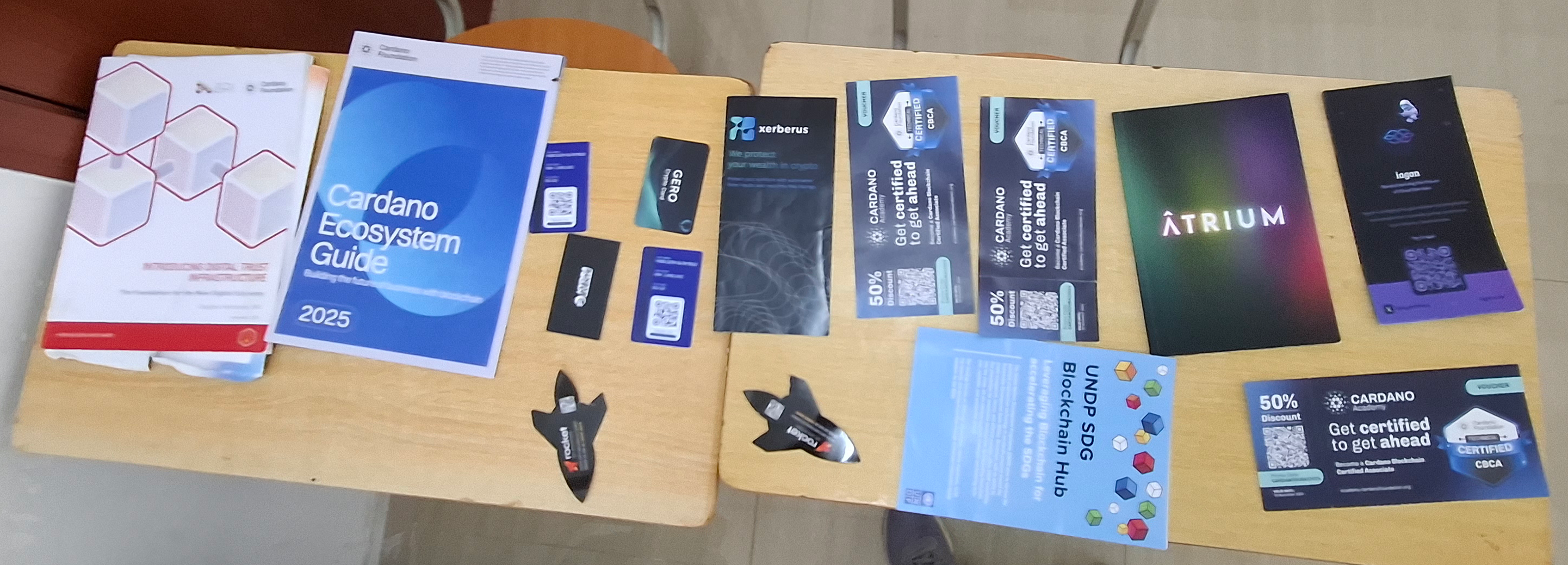
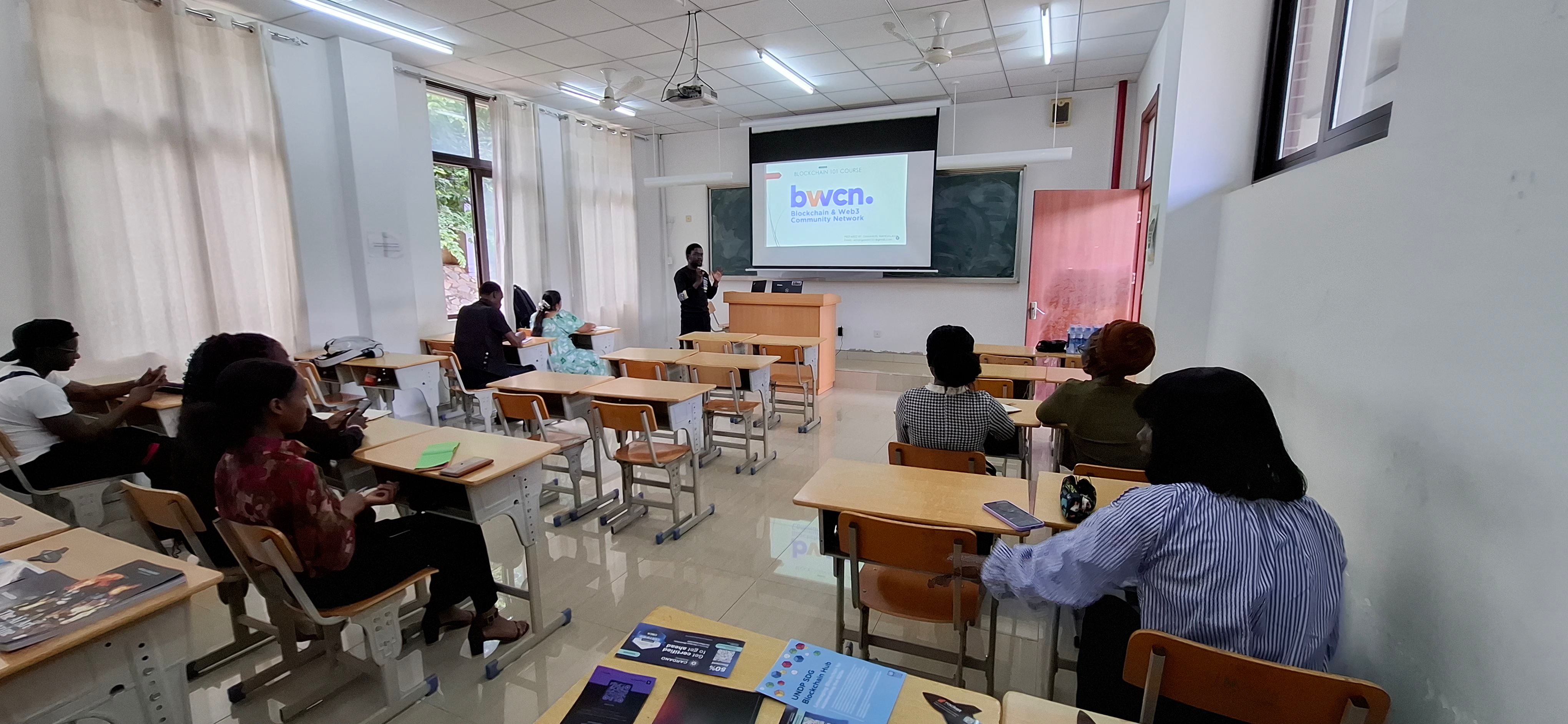
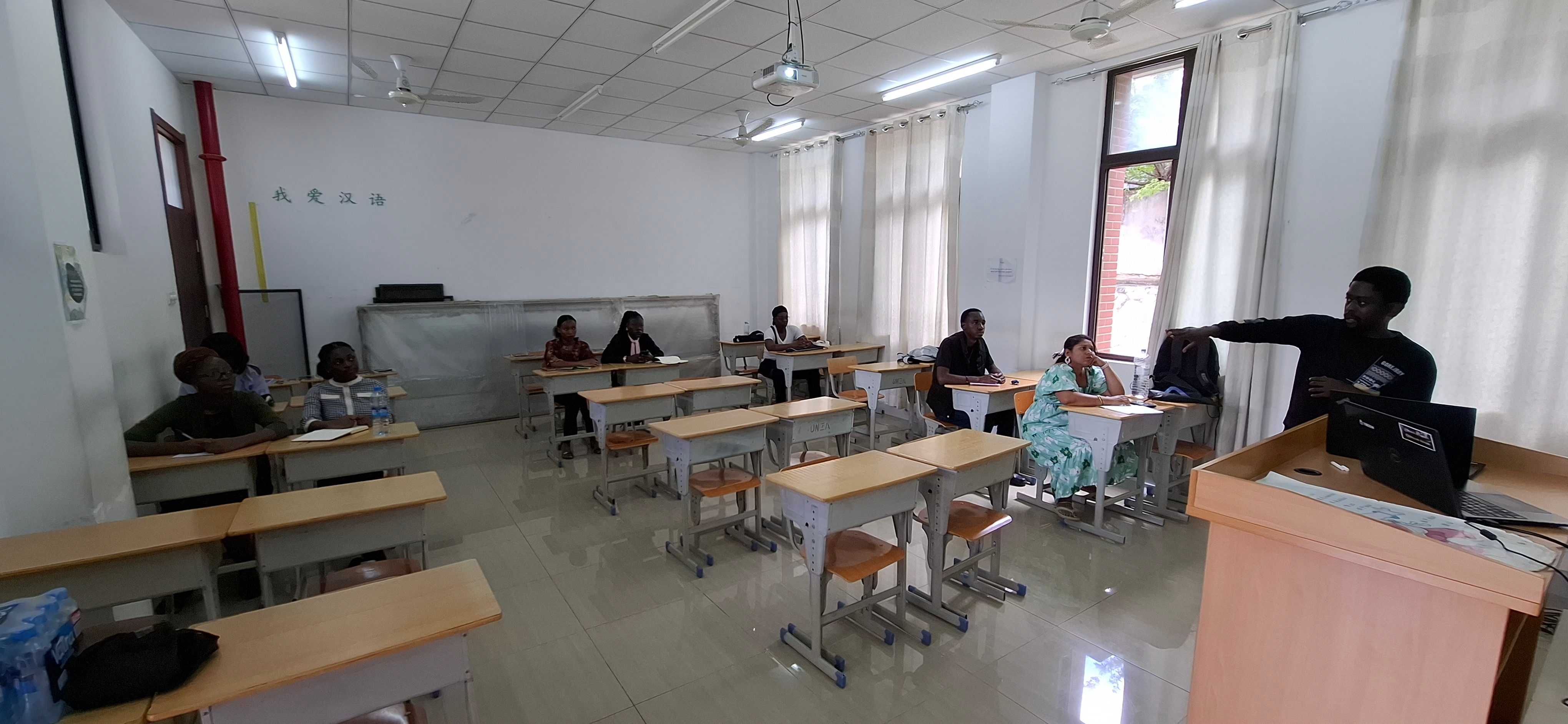
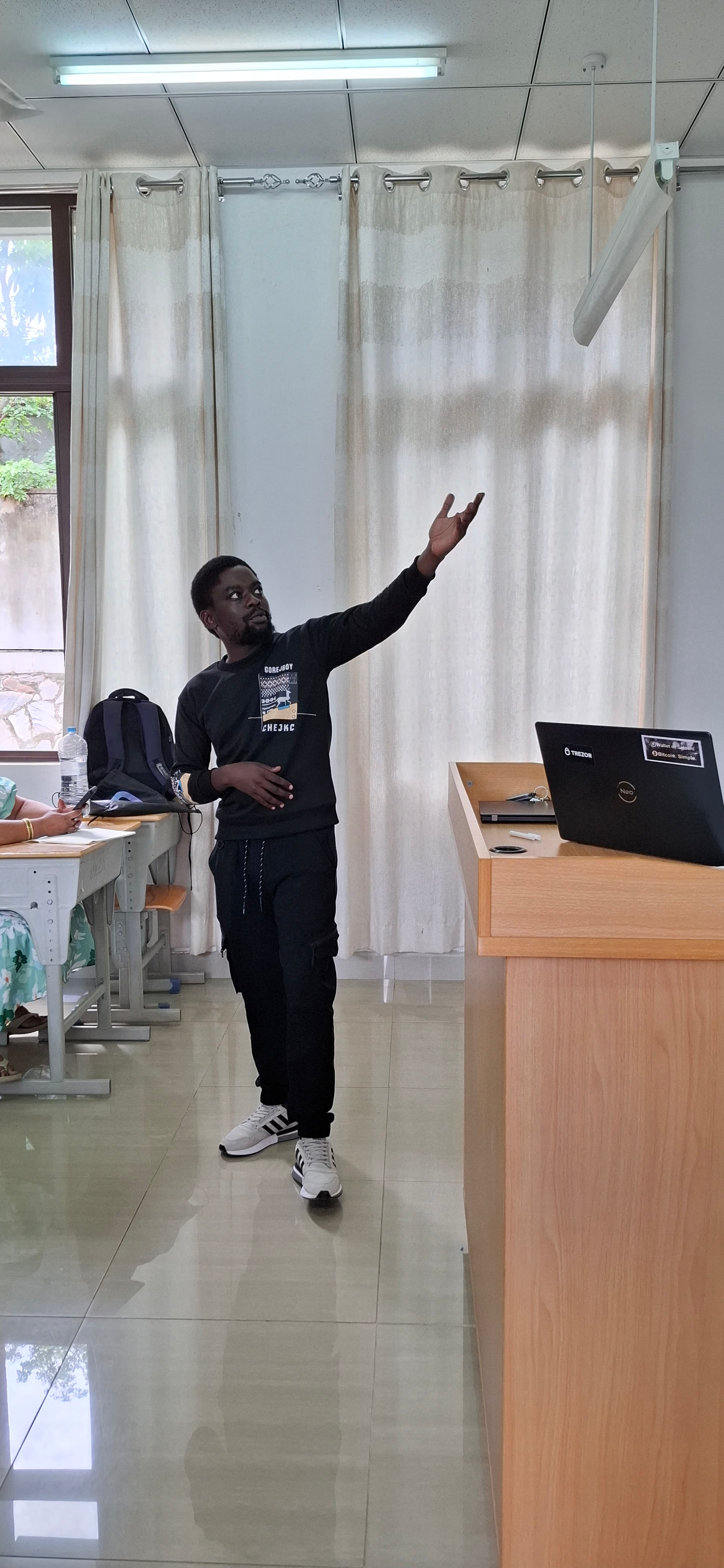
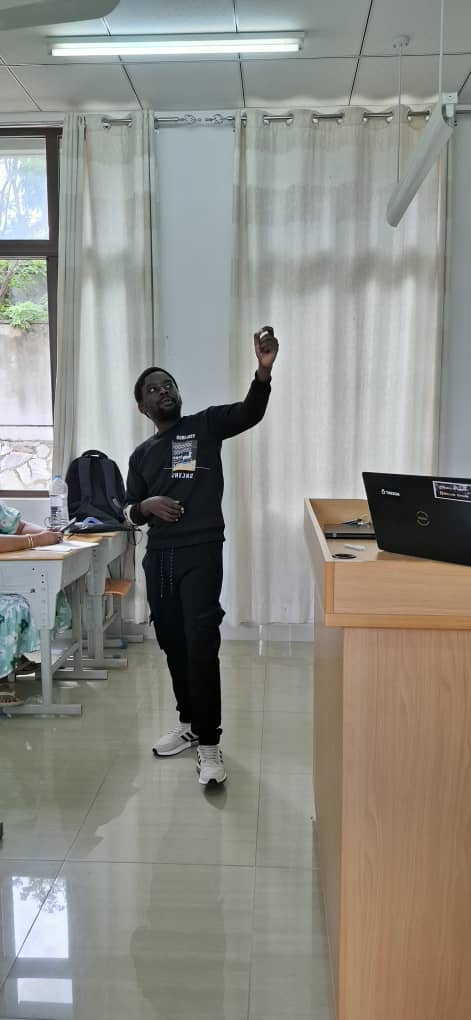
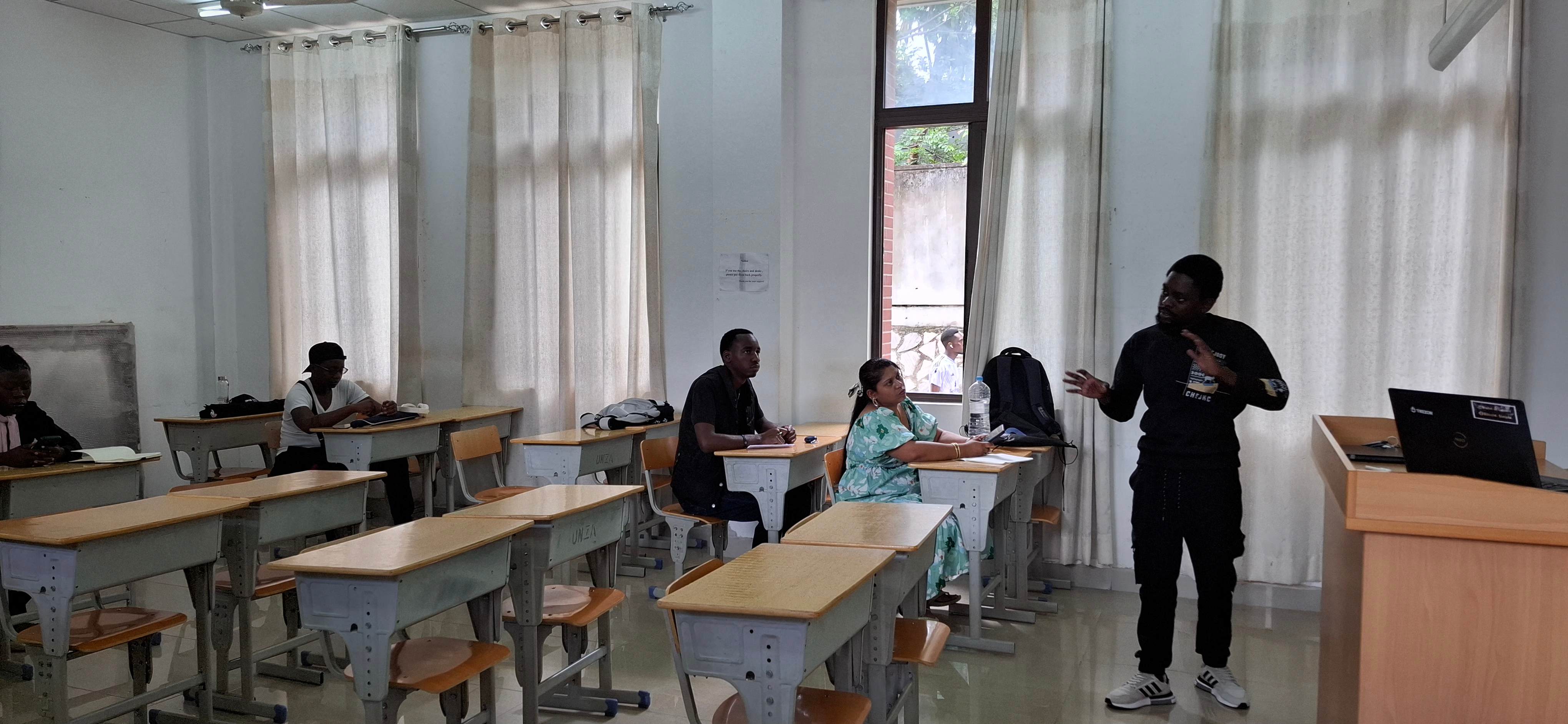
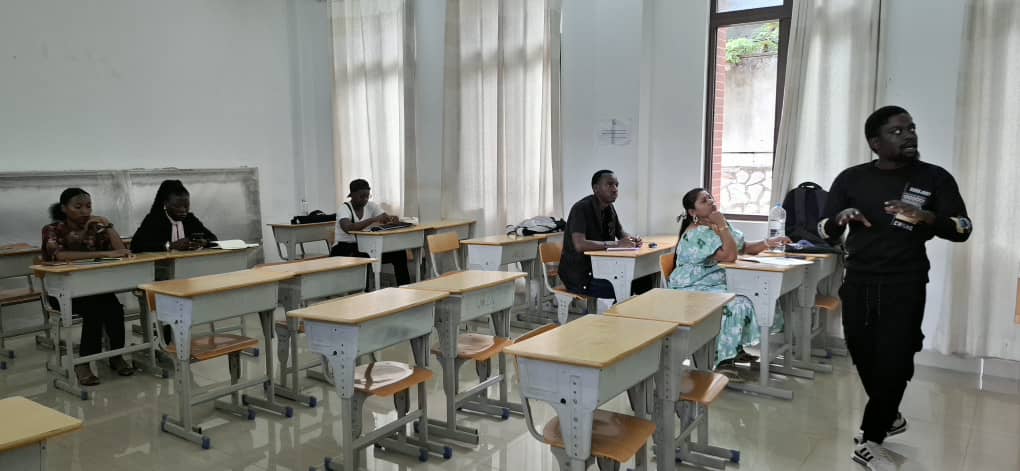
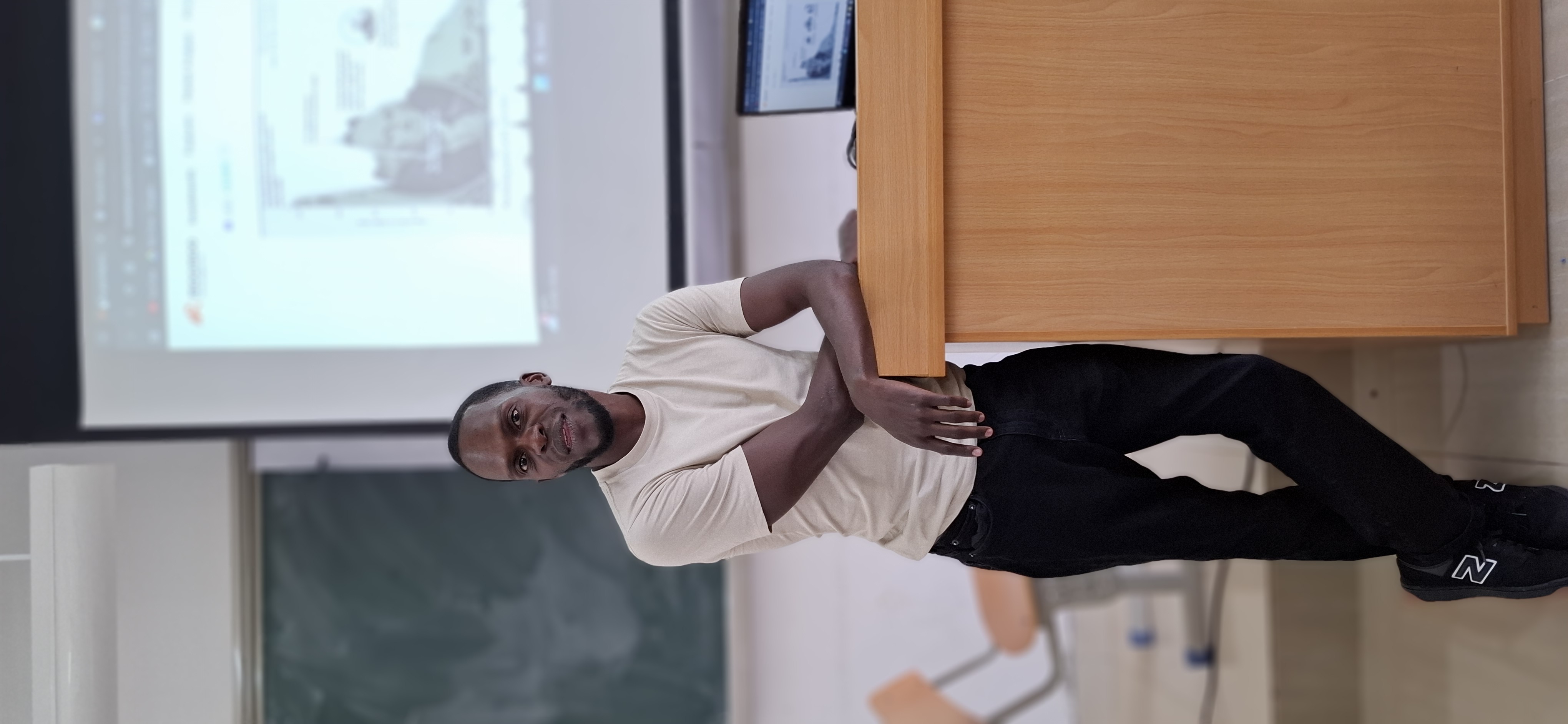
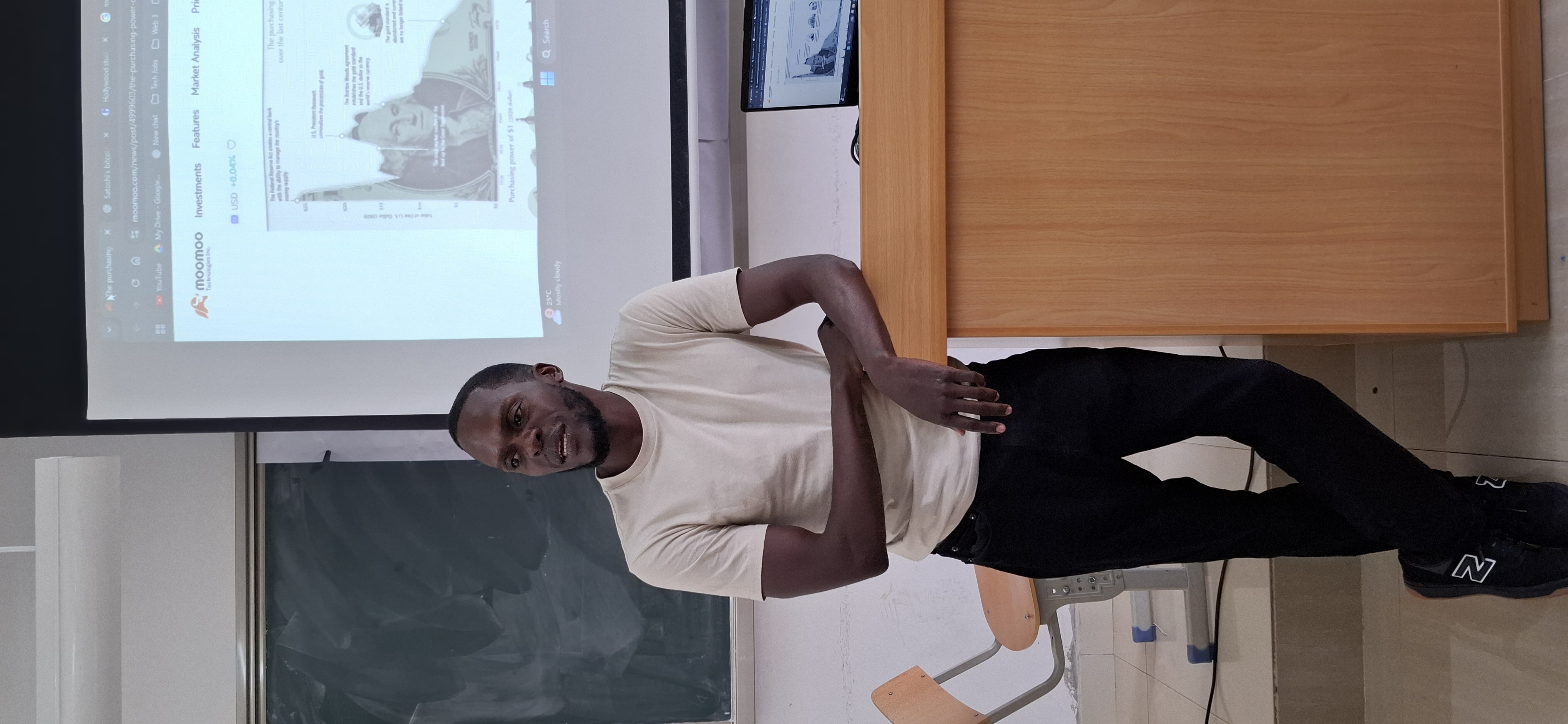
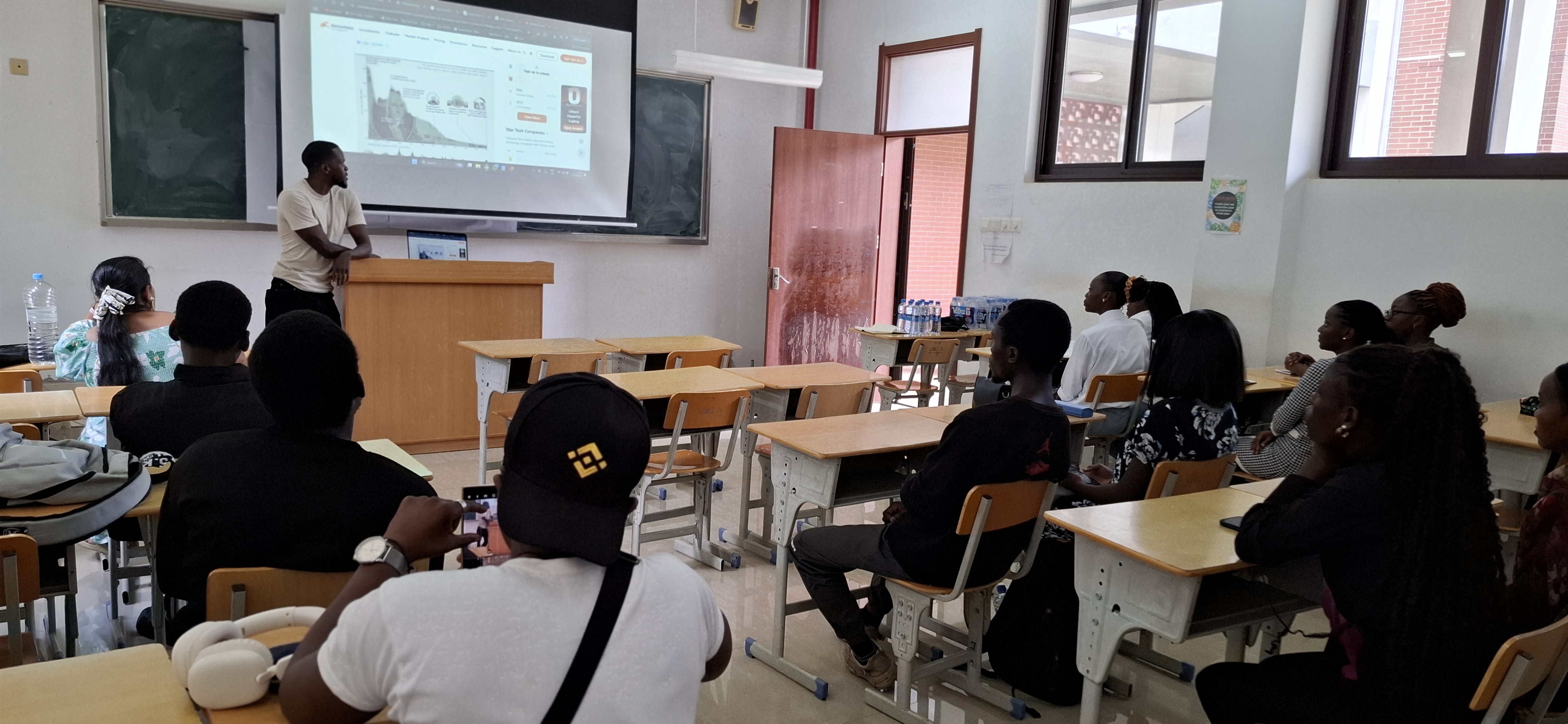
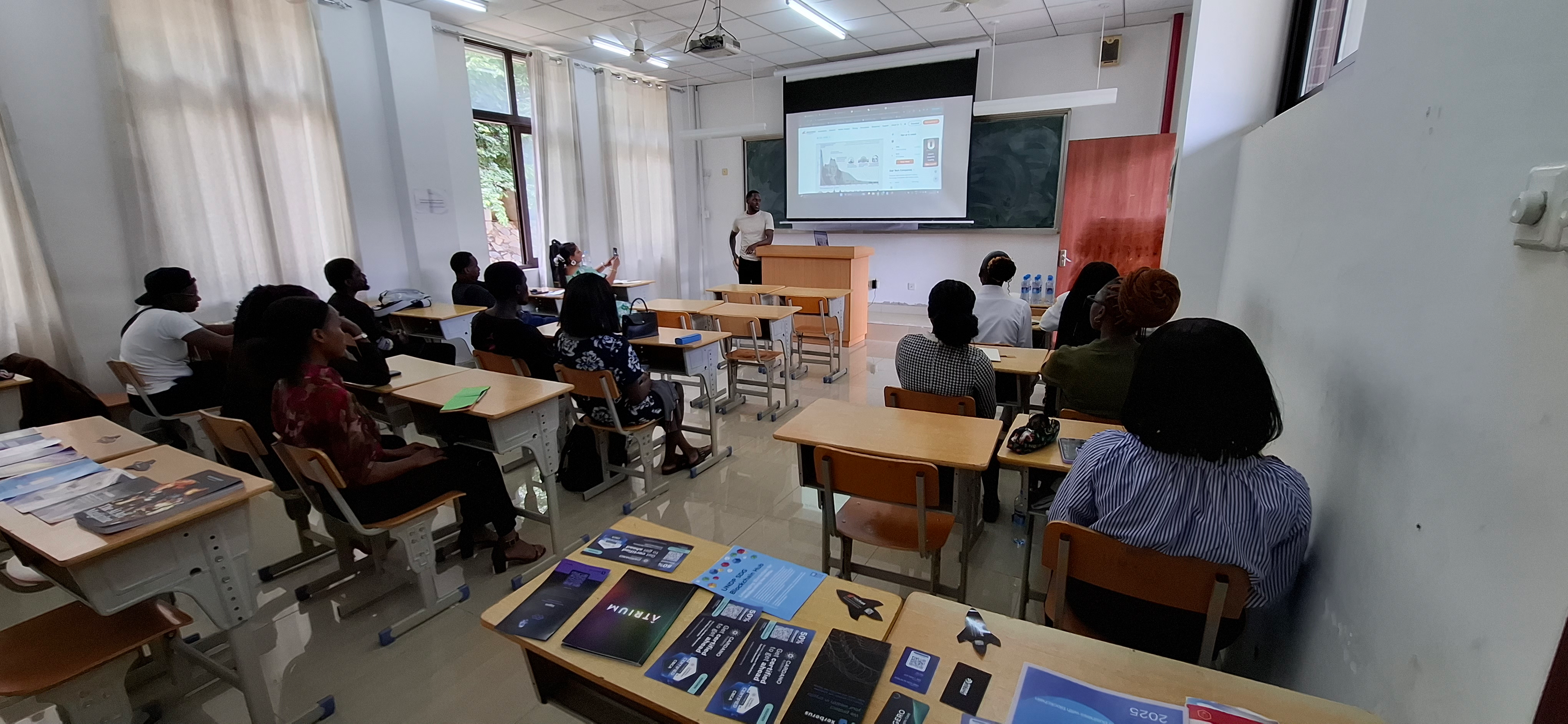
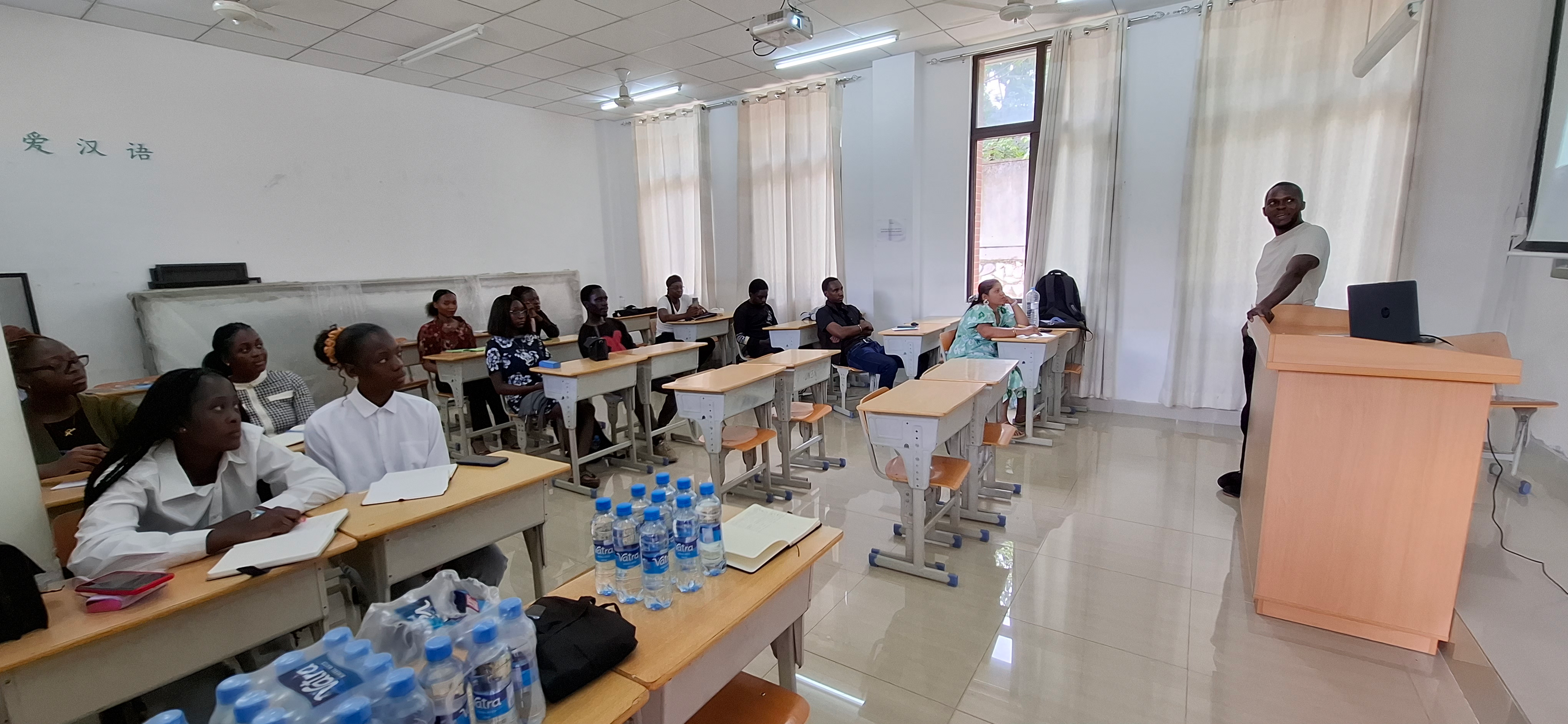
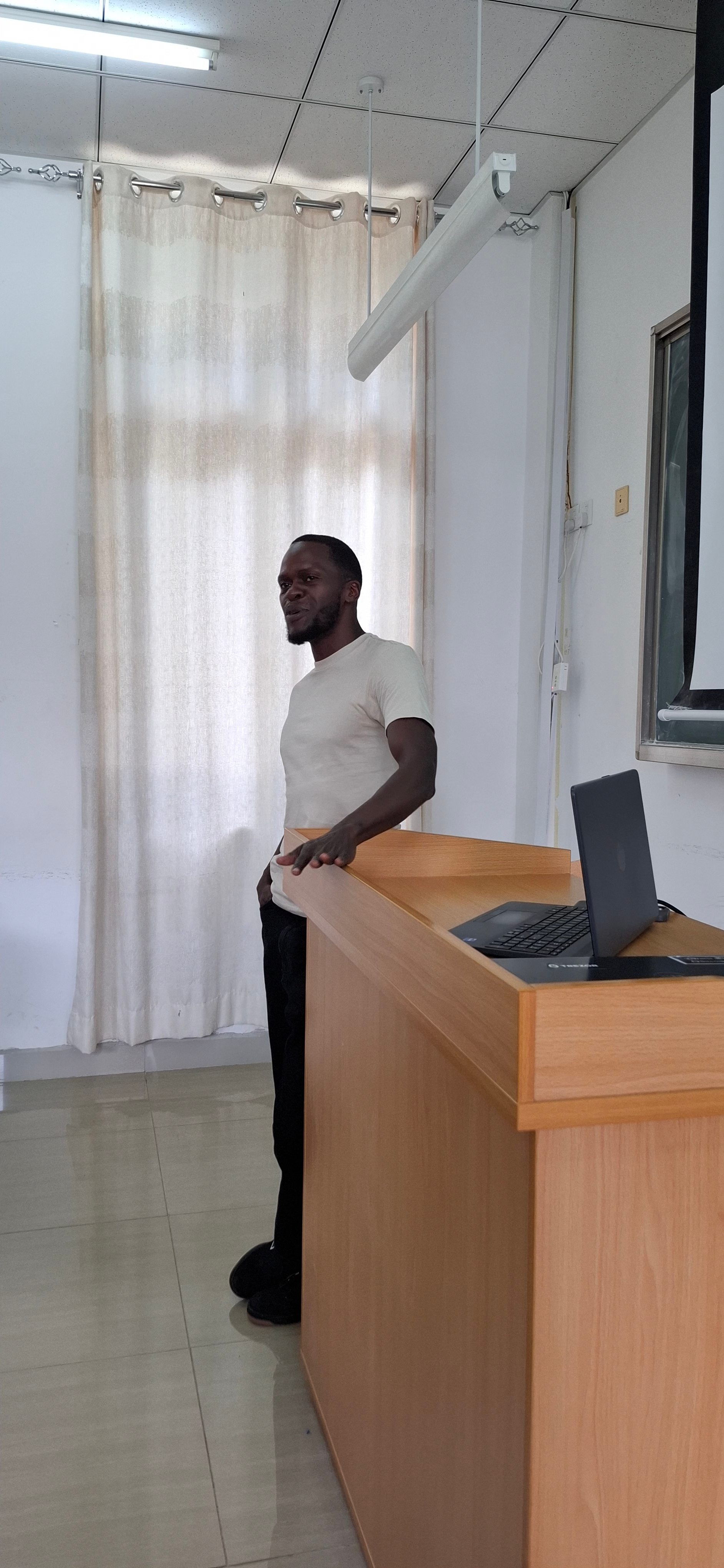
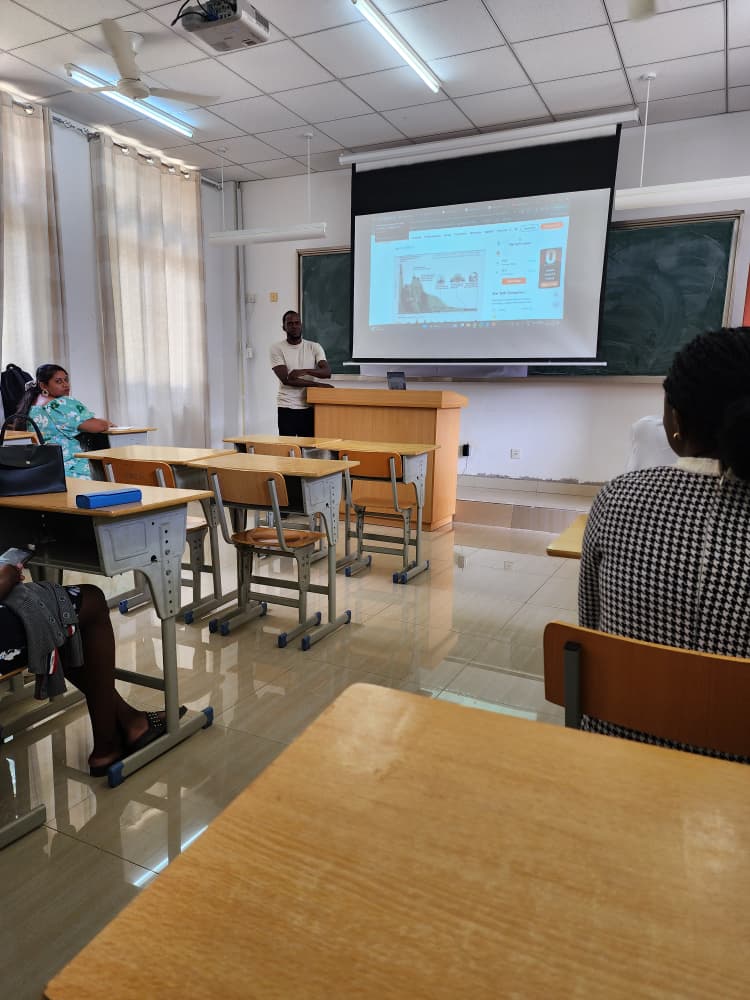
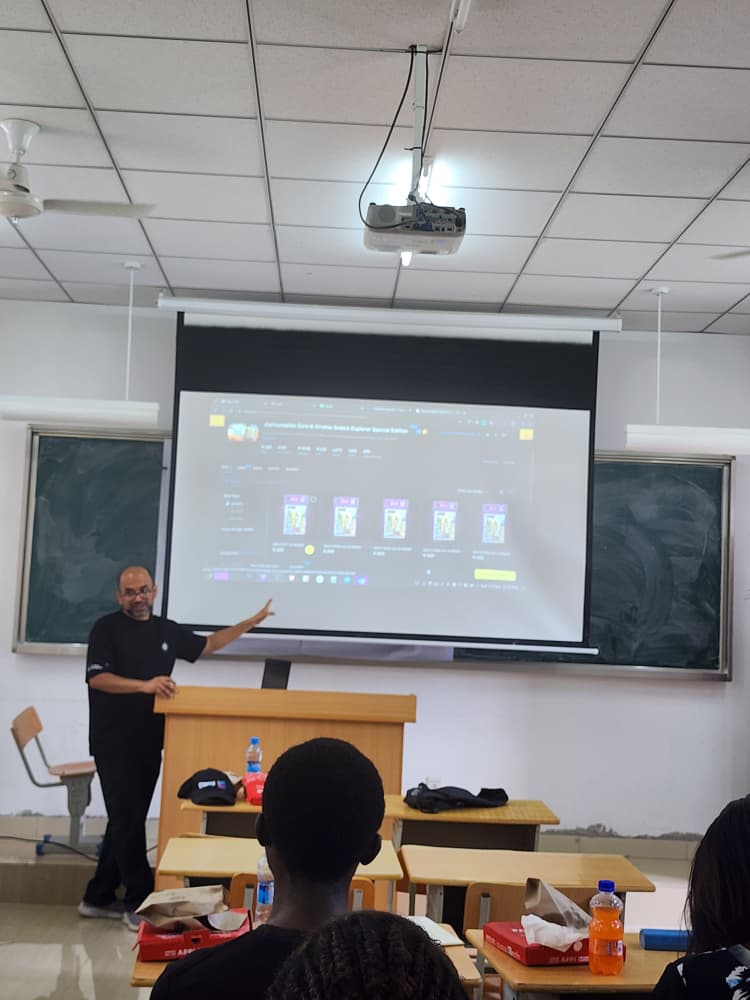
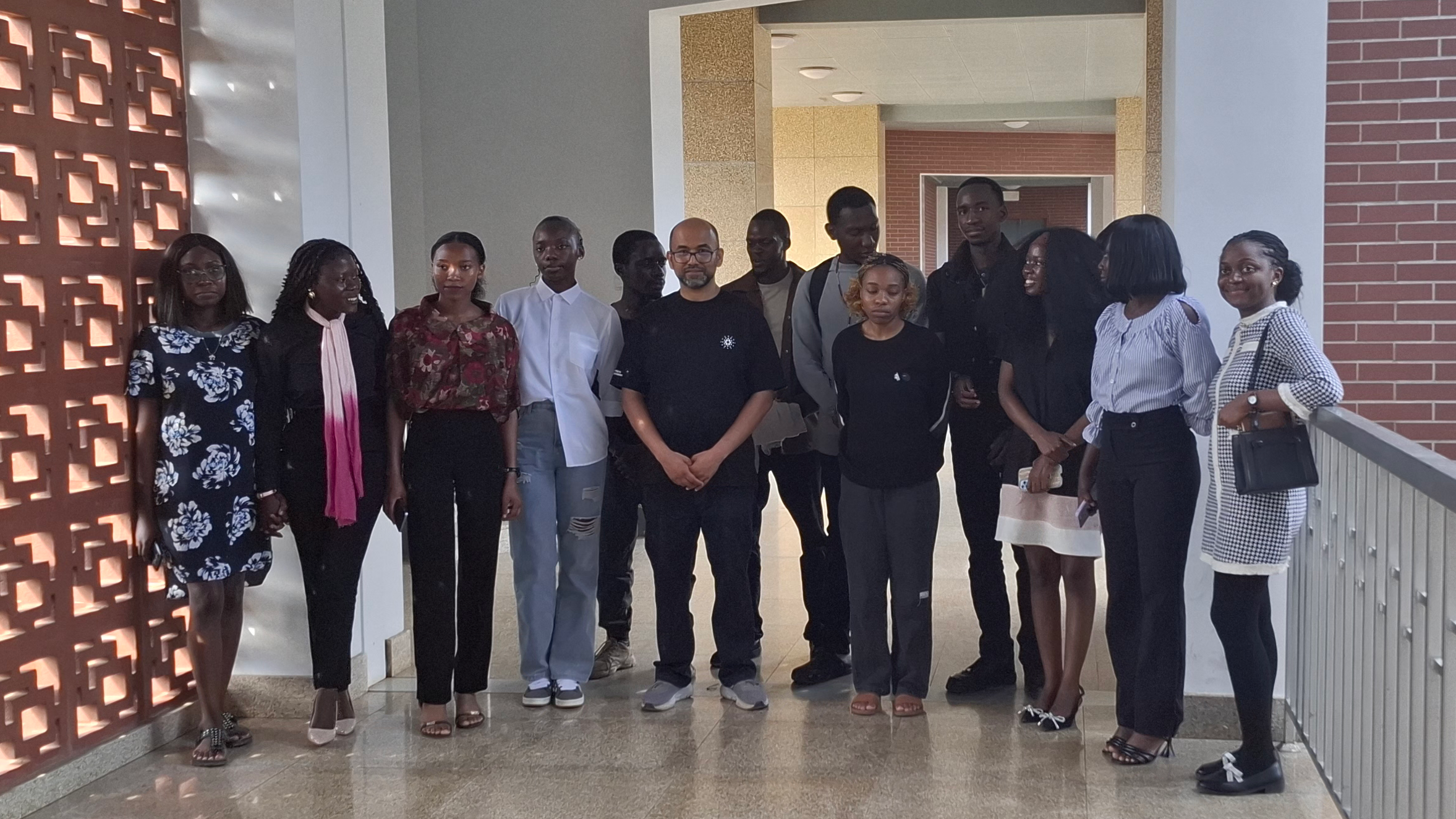
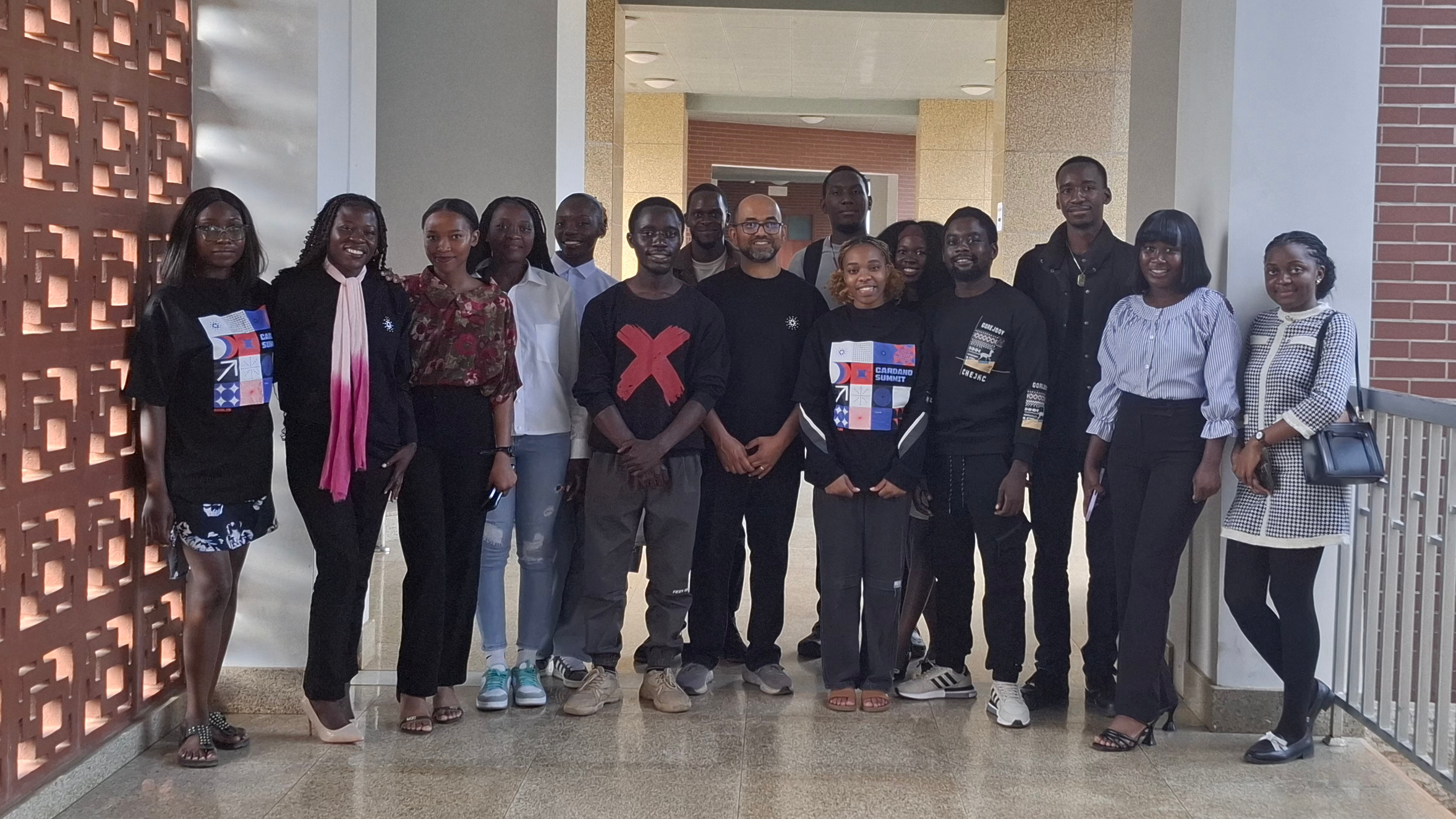
On Saturday, 13 December 2025, the pilot and founding meeting of the Mission Zambia Cardano Hub was held at the University of Zambia (UNZA). The session brought together 13 participants and focused on building a shared, practical understanding of blockchain, decentralisation, and the Cardano ecosystem.
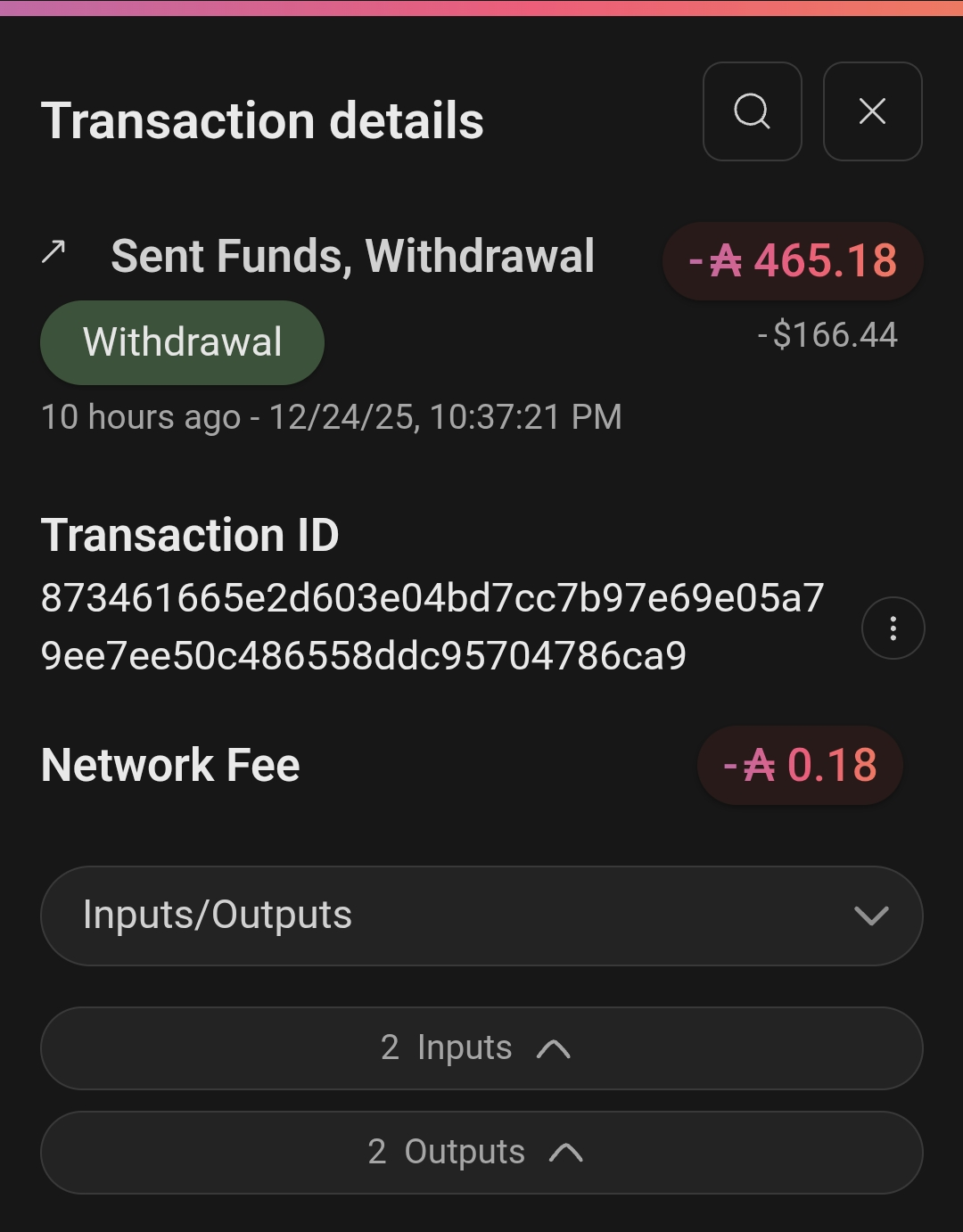
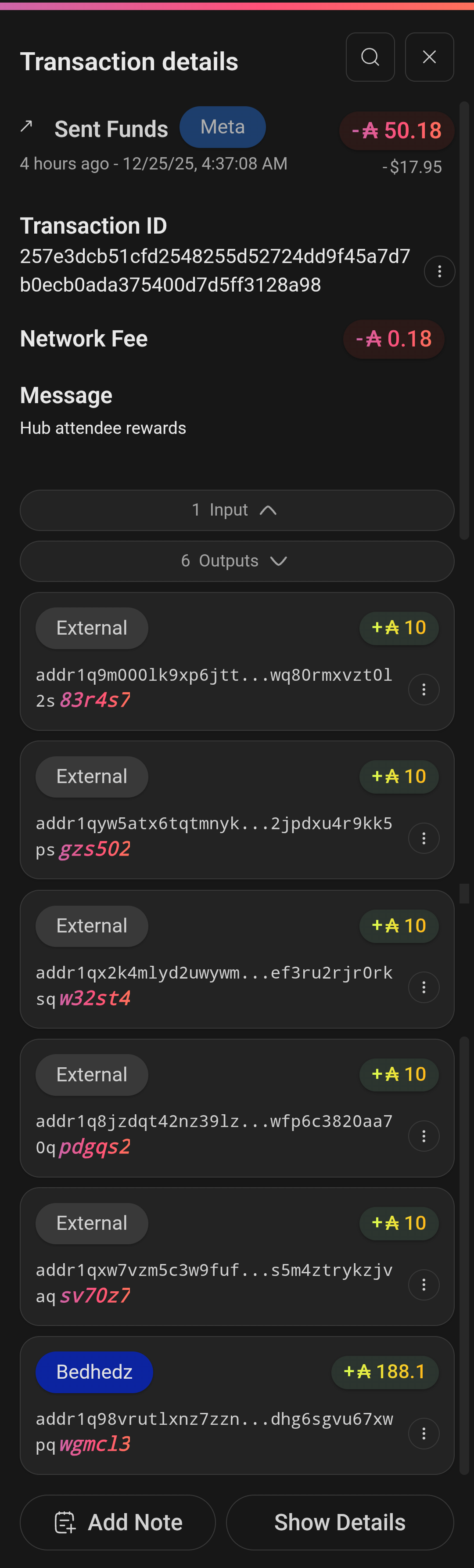
Rather than publishing a facilitator-led recap, this post captures the meeting from the perspective of the learners themselves. Volunteers from among the attendees each wrote a short summary of one topic covered during the meeting, and one participant provided an overall summary of the day. They were rewarded with 10ADA each for their participation. The ADA will enable them to interact with and get a feel of the blockchain.
The reflections below are shared as written by the learners, with only minor spelling and grammar corrections for clarity.
Understanding Blockchain and Cryptocurrencies
By Comfort Mukelabai
Good morning everyone.
The session on Understanding Blockchain and Cryptocurrencies took place on Saturday, when the conference was held.
Mr. Emmanuel explained the concept of blockchain and cryptocurrency in a simple and understandable way. From his explanation, I understood that blockchain is like a digital notebook or record book that keeps information, such as transactions, in a secure and organised manner. Once information is written in this notebook, it cannot be easily changed, which makes it trustworthy.
He also talked about the types of blockchain, which are public and private blockchains. A public blockchain is open to everyone, meaning anyone can access and view the information on it. On the other hand, a private blockchain is controlled by an owner, and only people with pass keys or permission can access it. This helps to protect sensitive information and ensures privacy.
Mr. Emmanuel further explained the areas where blockchain can be used, such as in hospitals to safely store patient records and in companies to manage data and transactions efficiently. This helped me realise that blockchain is not only about money, but also about improving systems in different sectors.
In addition, he explained cryptocurrency, which I understood as digital money that operates on blockchain technology. Unlike traditional money, cryptocurrency does not rely on banks, and transactions are secured through blockchain. This makes it fast, transparent, and reliable.
Key Point That Inspired Me
The key point that inspired me the most was learning that blockchain is useful beyond cryptocurrency. Understanding how it can be applied in hospitals, companies, and other institutions built my confidence and interest in blockchain and cryptocurrency. It made me realise that this technology has real-world value and potential for the future, and it encouraged me to learn more about it.
Decentralisation — Importance and Necessity in Blockchain
By Mercy Muyutu
This topic was presented by Mr. Elijah and focused on the meaning and importance of decentralisation in blockchain technology. In simple terms, decentralisation means that no single person, institution, or government has full control over the system. Instead, power is shared among many participants in the network.
A key moment that stood out was when Mr. Elijah gave African examples to explain why decentralisation is necessary. He mentioned Muammar Gaddafi of Libya, who proposed a gold-backed African currency, and Thomas Sankara of Burkina Faso, who promoted economic independence. These leaders are often referenced in discussions about alternative monetary systems, and their deaths are commonly linked to their attempts to challenge existing financial structures. This helped illustrate the dangers of centralised control over money.
This topic is important because decentralisation promotes transparency, security, and freedom. It reduces corruption and prevents one authority from controlling resources.
The discussion clarified my understanding by showing that blockchain is not just about cryptocurrency, but about empowering people through shared control and trustless systems.
How Blockchains Work
By Emmanuel Chisoya
The session on how blockchain works, presented by Dr. Shane, was very insightful. Although I had some basic knowledge of blockchain, the presentation introduced many new concepts that greatly improved my understanding of how the technology functions in practice.
One key idea that stood out was blockchain being described as a root of trust. I learned that blockchain creates trust without relying on a central authority by combining decentralisation and cryptographic security. It functions as a decentralised document where multiple participants verify the same data, making it extremely difficult to alter information without detection.
The session also clarified the role of two important mathematical tools: SHA-256 hashing and PGP signing. SHA-256 ensures data integrity by producing the same hash for the same input, while any small change creates a completely different hash, making tampering obvious and irreversible. PGP signing uses private and public keys to ensure authenticity and prevent forgery.
I further learned that a blockchain consists of blocks containing a timestamp, data, a reference to the previous block, and a validator signature file, which proves that trusted validators approved the block. Validator selection is controlled through different mechanisms. In Proof of Work, validators compete to solve complex puzzles, with the fastest earning the right to create a block. In Proof of Stake, stakeholders use the amount of their investment in the network as a measure of their stake. For example, having two chairs in a random selection increases the probability of being chosen compared to those with one. In Delegated Proof of Stake, users (delegates) choose validators (operators) to create blocks on their behalf.
We also had different games to demonstrate the different validator selection mechanisms, and good food was had 😅
Cardano Wallet Walkthrough
By Fatima Sialubono
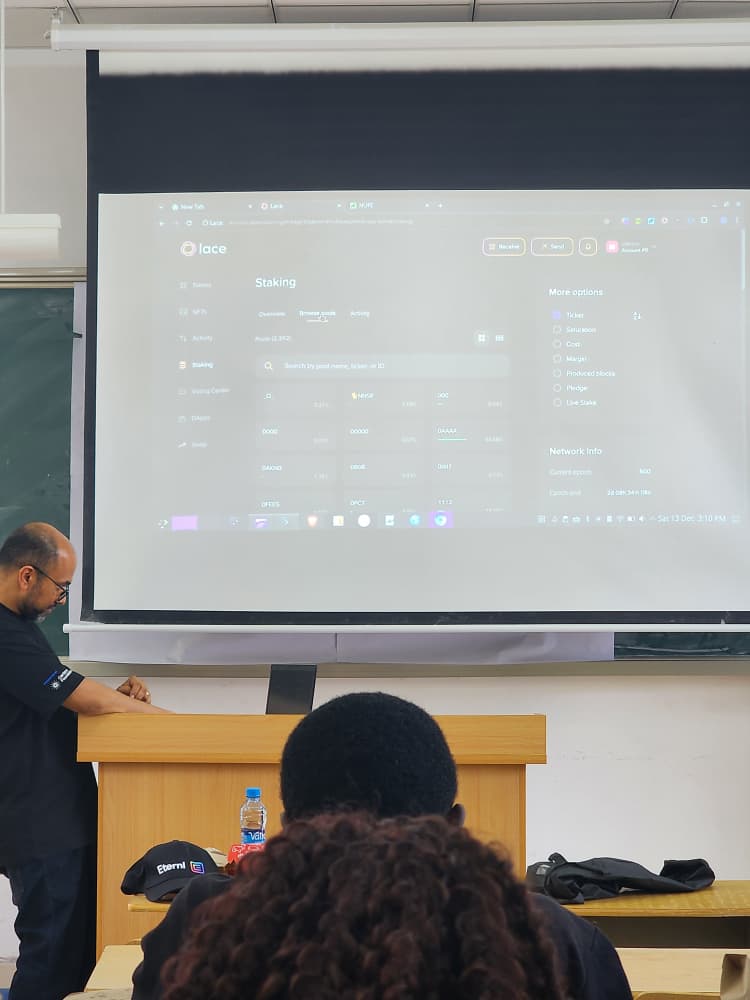
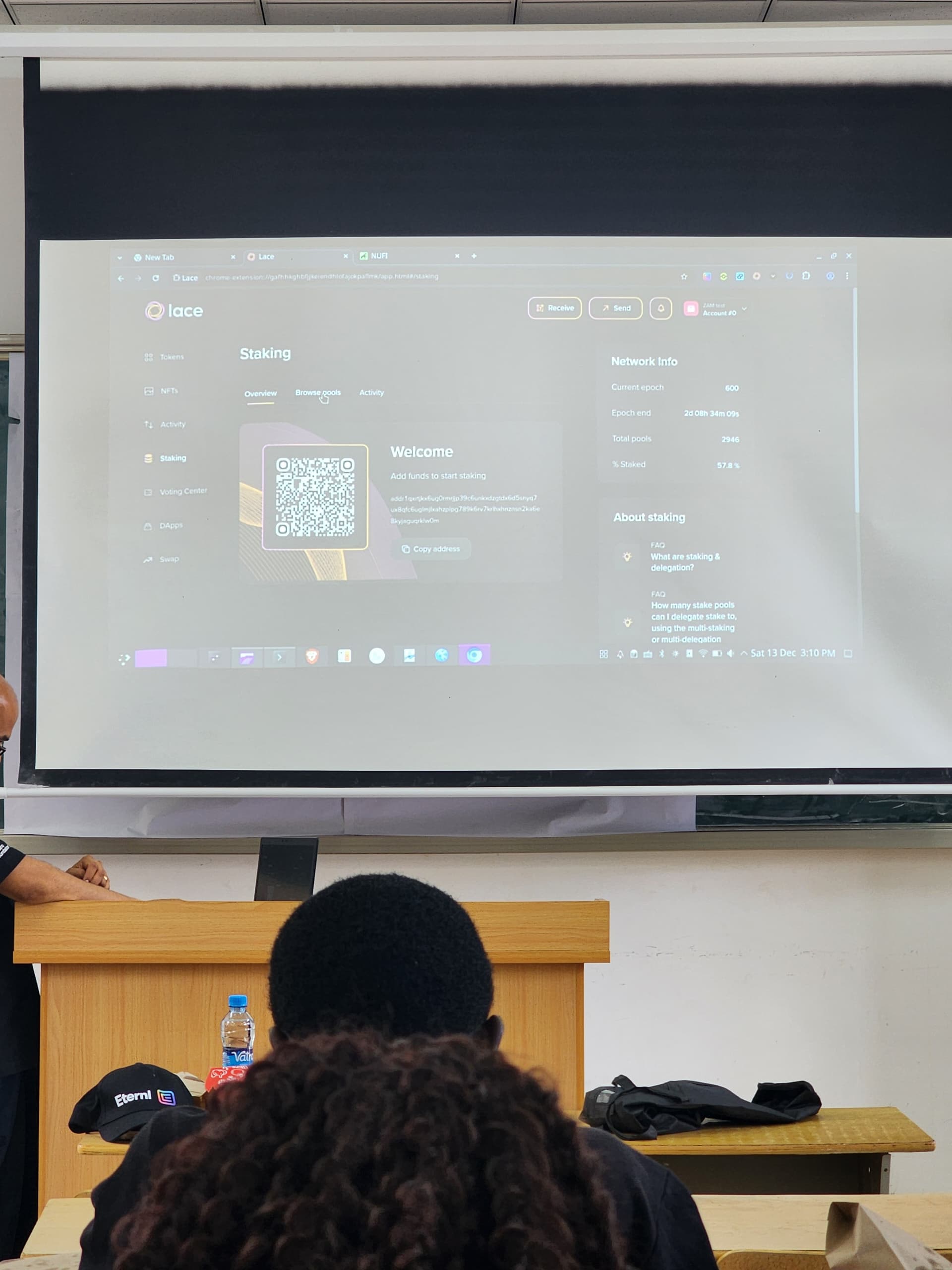
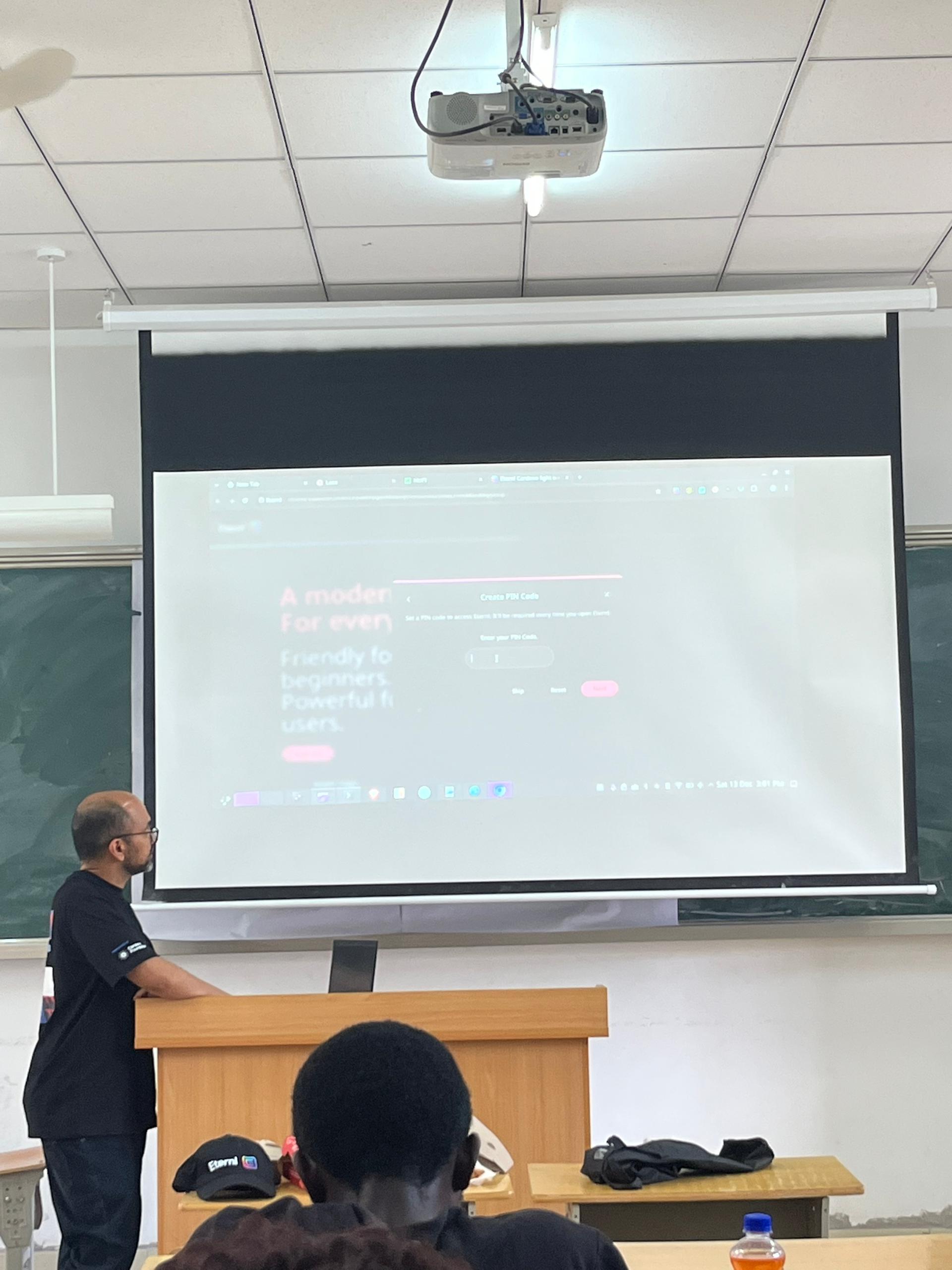
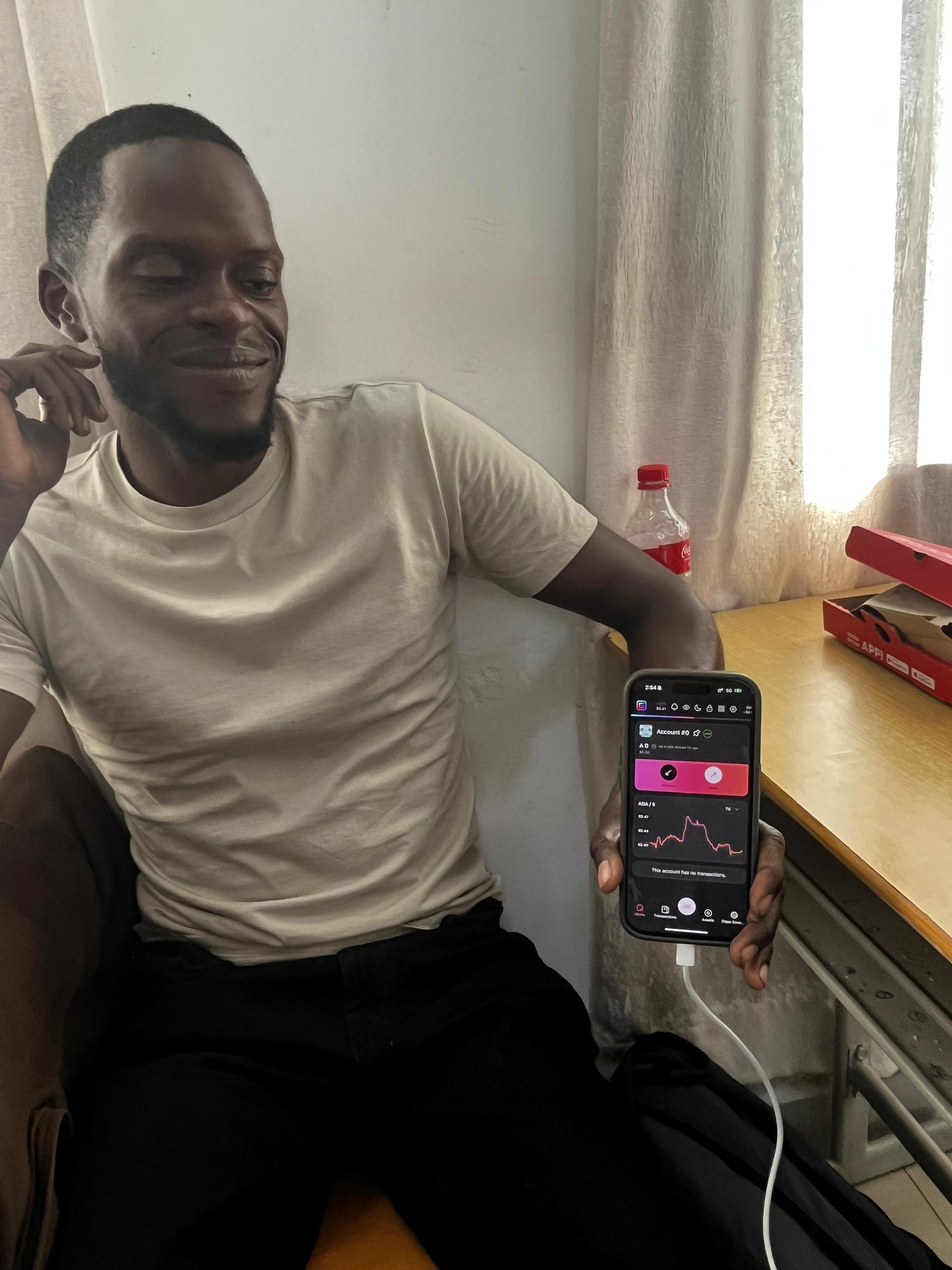
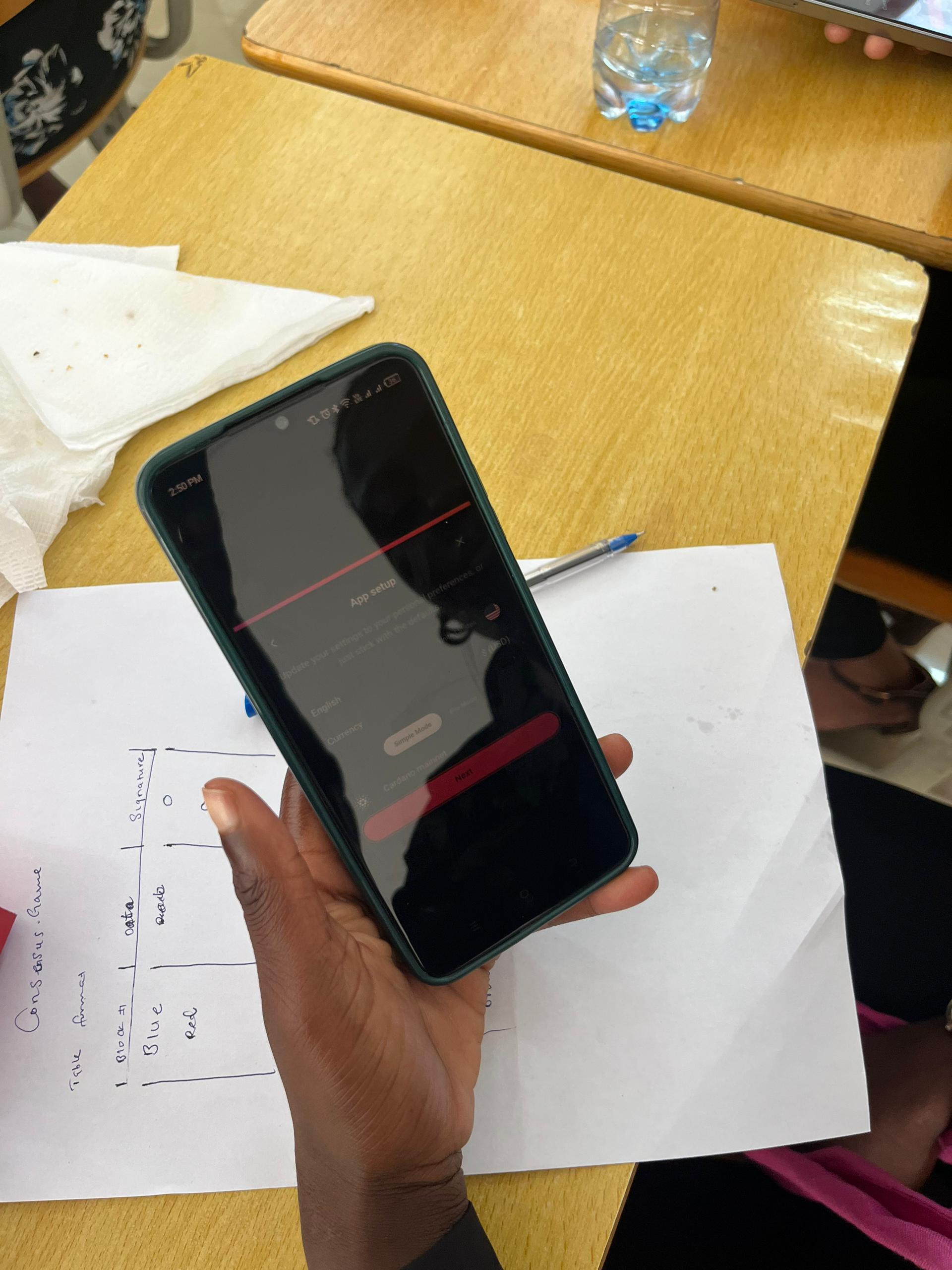
The presentation was done by Dr. Shane. He touched on two wallets, namely the Eternl app and Lace web, highlighting that Cardano wallets like Eternl and Lace are designed to be super user-friendly, allowing users to manage their ADA, stake, and interact with the Cardano ecosystem seamlessly. They are non-custodial, meaning you control your keys and your coins.
The advantages discussed included:
- Security: Non-custodial, so you control your private keys
- User-friendly: Intuitive interfaces for managing ADA and interacting with DApps
- Staking: Easily stake ADA to earn rewards
Cardano Wallet Walk-through
Eternl
- Download the Eternl app from the Play Store
- Setup: Create a wallet using a seed phrase, which is a combination of 12 randomly selected words
- Interact: Stake, send, receive, or connect to DApps
For Lace, simply search for Lace on Google and similarly begin your setup.
Overall Meeting Summary
By Mwanatebe Nakubiana
The Mission Zambia Cardano Hub meeting focused on building a clear and practical understanding of blockchain, cryptocurrency, and decentralisation. The sessions were designed to explain these concepts in simple terms while showing how they apply to real-life situations beyond digital money.
The first presentation introduced blockchain as a secure and unchangeable digital record system. It highlighted the difference between public and private blockchains and showed how blockchain can be used in sectors such as healthcare and business for safe data management. This helped clarify that blockchain is not only about cryptocurrency but also about improving trust and efficiency in different systems.
A key moment of the meeting was the discussion on decentralisation and its importance. Using African examples, the speaker explained how shared control over systems can reduce corruption, promote transparency, and protect people from the risks of centralised power. This strongly emphasised why decentralisation is a core principle of blockchain technology.
Another session explained how blockchain works technically, including hashing, digital signatures, and validation mechanisms such as Proof of Work and Proof of Stake. This deepened understanding of how trust and security are achieved without a central authority. The final presentation demonstrated Cardano wallets like Eternl and Lace, showing how users can safely manage ADA, stake, and interact with decentralised applications.
Overall, the meeting clarified complex ideas and showed the real-world relevance of blockchain. It strengthened my understanding and increased my interest in how decentralised technologies like Cardano can empower individuals and institutions in the future.
Transparency, Receipts, and Media
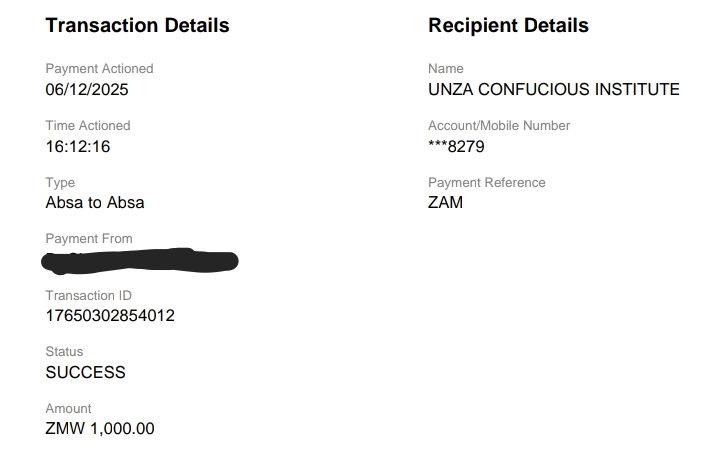
In keeping with Mission Zambia’s commitment to transparency and accountability, we have included:
- Photographs and media captured during the session
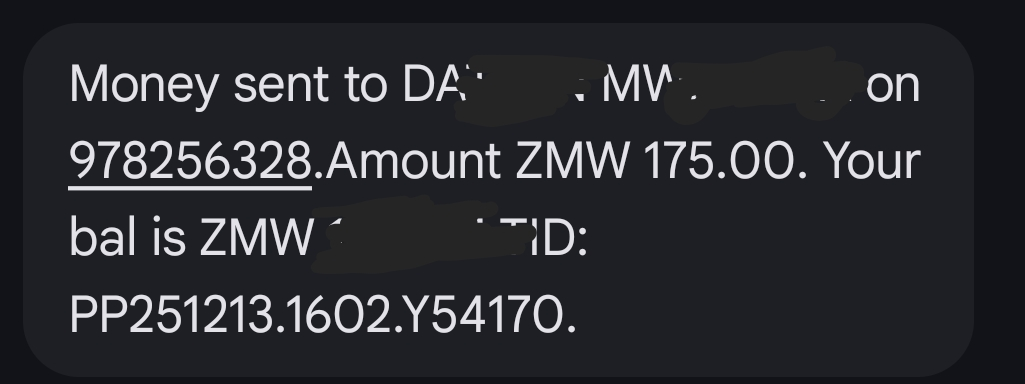
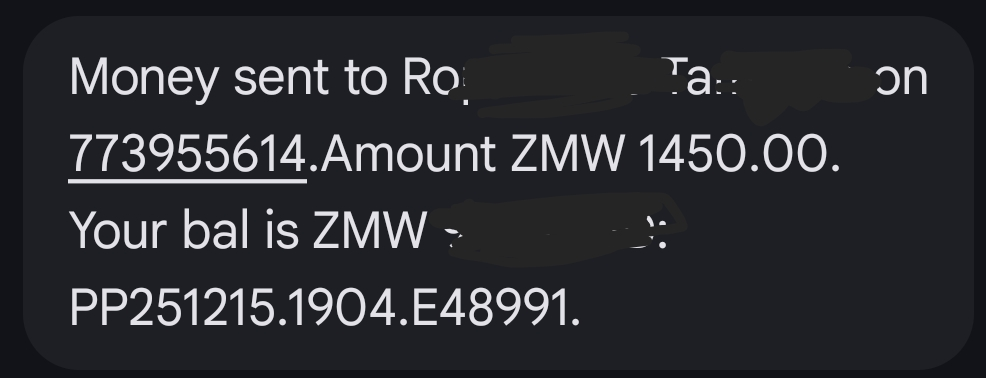
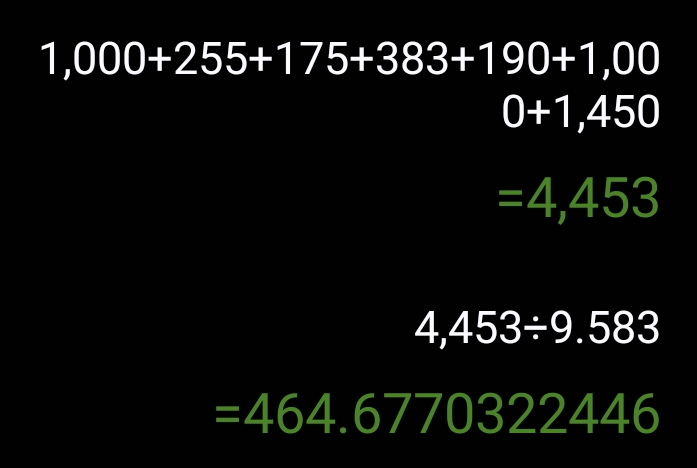
- Receipts accounting for expenses related to the meeting
These materials document both the financial and practical aspects of hosting the founding meeting of the Mission Zambia Cardano Hub.
As we close the year, we would like to wish everyone in the Mission Zambia community a happy, peaceful, and healthy festive season. This pilot meeting marks just the beginning, and we look forward to hosting regular Mission Zambia Cardano Hub meet-ups in the coming year. May the new year bring renewed energy, deeper learning, and meaningful opportunities to grow together. We wish you all a prosperous and fulfilling year ahead.
Stake with ZAM!